The India hydrogen fuel powered train engine project, known as the “Hydrogen for Heritage” initiative, aims to revolutionize rail transport by combining ecological sustainability with technological advancement. This article explores the technology, significance, and future scope of hydrogen trains in India, along with a comparative look at international counterparts.
The Rise of Hydrogen Power Trains in India
Hydrogen power trains represent a transformative shift in the Indian Railways’ journey towards eco-friendly transport. Unlike traditional diesel trains that emit significant greenhouse gases or electric trains that depend heavily on coal-powered electricity, hydrogen trains run on clean hydrogen fuel cells. These cells generate electricity by combining hydrogen and oxygen, producing only water vapor as a byproduct — a game changer in reducing pollution and noise.
The pilot project involves retrofitting existing Diesel Electric Multiple Unit (DEMU) rakes to run on hydrogen fuel cells. India’s first hydrogen powered train is set to run on the Jind-Sonipat route in Haryana, operating multiple daily trips carrying close to 2,638 passengers per journey. The government’s commitment is clear, with approximately ₹2,800 crore earmarked for developing 35 hydrogen fuel cell trains and an additional ₹600 crore for building hydrogen infrastructure such as production plants, storage, and refueling stations.
| Feature | Details |
|---|---|
| Project Name | Hydrogen for Heritage |
| Route | Jind-Sonipat, Haryana |
| Train Capacity | 2,638 passengers |
| Engine Power Output | 1,200 horsepower (world’s most powerful hydrogen train engine) |
| Investment | ₹3,400 crore (train + infrastructure) |
| Cost per Train | ₹80 crore |
| Infrastructure Cost per Route | ₹70 crore |
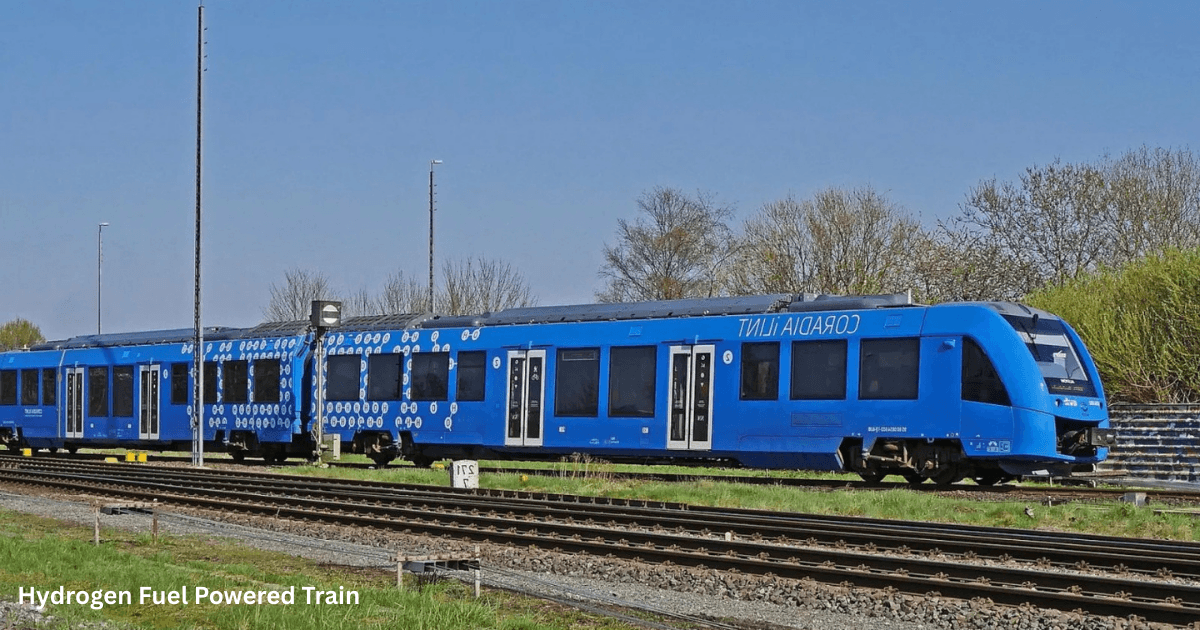
Hydrogen Train Engine Technology in India
The technology behind India’s hydrogen trains focuses on hydrogen fuel cells, which convert chemical energy from hydrogen into electrical energy efficiently and cleanly. The engineering design was led by RDSO, India’s premier rail research institution, ensuring that the hydrogen train engine is optimized for power, durability, and environmental benefits.
Key Technological Highlights:
- Fuel Cell Operation: Hydrogen gas reacts with oxygen in the fuel cells to produce electricity, water, and heat. This process is silent and emission-free.
- Engine Innovation: India’s 1,200 HP hydrogen engine surpasses international counterparts, which generally operate between 500 to 600 HP, making it especially suited for India’s diverse terrain and high transportation needs.
- Environmental Impact: Zero carbon emissions and significantly reduced noise pollution compared to diesel trains.
- Refueling and Storage: The project includes an advanced hydrogen production facility and storage capabilities with quick refueling dispensers to support operational efficiency.
India’s Hydrogen Train vs. Hydrogen Train in Germany
Germany is widely recognized for pioneering the world’s first hydrogen-powered passenger trains, specifically the Alstom Coradia iLint trains, which have been operating in Lower Saxony since 2022. These trains have a power output of roughly 500–600 HP, a range of up to 999 km, and are celebrated for their quiet, emission-free operation.
However, Germany faces challenges with hydrogen fuel supply disruptions, which have sometimes impacted service reliability. In contrast, India’s hydrogen train project emphasizes indigenous production of green hydrogen and infrastructure resilience.
| Aspect | India Hydrogen Train | Germany Hydrogen Train |
|---|---|---|
| Engine Power | 1,200 HP (India’s train is the most powerful) | 500-600 HP |
| Range | Designed for regular route operations with planned refueling | Up to 999 km per tank |
| Operation Start | Pilot in 2025 on Jind-Sonipat route | Operating since 2022 in Lower Saxony |
| Hydrogen Supply | Localized green hydrogen production planned | Initially used byproduct hydrogen, supply bottlenecks reported |
Why Hydrogen Power Trains Are the Future of Indian Railways
The adoption of hydrogen trains aligns with India’s sustainable development goals and net-zero carbon emissions target by 2070. Hydrogen trains bring multiple advantages beyond emission reductions:
- Sustainability: Hydrogen trains reduce dependency on fossil fuels, leveraging renewable energy sources to produce green hydrogen.
- Noise Reduction: Quieter engine operation enhances passenger comfort and reduces noise pollution along densely populated routes.
- Adaptability: Hydrogen trains can run on non-electrified tracks, avoiding the high cost of electrification infrastructure.
- Energy Security: Indigenous hydrogen production promotes energy independence and technological self-reliance.
FAQ: Understanding India’s Hydrogen Fuel Powered Train Engine
- What is a hydrogen fuel-powered train?
- It is a train powered by hydrogen fuel cells that generate electricity through a chemical reaction between hydrogen and oxygen. The only emissions are water vapor and heat, making it a clean alternative to traditional diesel engines.
- Why is India investing in hydrogen trains?
- India’s investment in hydrogen trains aims to cut greenhouse gas emissions, reduce air pollution, and become a global leader in clean energy rail transport. It also supports the government’s vision of modernizing transportation sustainably.
- Where will India’s first hydrogen train run?
- The first hydrogen train will run on the Jind-Sonipat route in Haryana, covering daily trips and carrying over 2,600 passengers per trip.
- How does India’s hydrogen train engine compare globally?
- India’s hydrogen engine is the most powerful in the world, delivering 1,200 horsepower compared to international hydrogen trains like Germany’s with 500-600 horsepower.
- What are the environmental benefits of hydrogen trains?
- Hydrogen trains emit no carbon dioxide or harmful pollutants and significantly reduce noise pollution, making rail travel greener and more sustainable.
India’s foray into hydrogen-powered train engines marks a historic milestone for the nation’s railways and green technology ambitions. The development of the world’s most powerful hydrogen train engine, combined with strategic infrastructure investments, shows India’s resolve to lead in carbon-neutral transportation. As hydrogen fuel trains roll out, they promise cleaner air, quieter journeys, and reduced reliance on fossil fuels, paving the way for a sustainable rail future in India and setting a global benchmark.
Author: This article was written by our senior editors, in collaboration with renewable energy and transportation experts.
Disclaimer: This article is for informational purposes only and should not be considered professional advice.
Also read:
How Hydrogen Fuel Works and What Are Its Benefits
EV affordability alarm! Car clubs say, running costs are £6k higher than for petrol cars!

Kay Parker is a seasoned journalist and content strategist with over 20 years of experience across diverse industries and media platforms.